







Search Results for: electric freight vehicle

Cotti Coffee Electric Delivery Van Loses Control and Crashes into a Chayan Yuese Store in Yueyang, Killing 2 and Injuring 2, Sparking Widespread Concern
On the evening of August 6, a serious traffic accident occurred at the intersection of Dongting South Road and Zhuyin Street in Yueyang, Hunan. A small electric delivery truck with "Cotti Coffee" printed on its body suddenly lost control while being moved during unloading. It first hit the roadside green belt, then rushed into a Sexy Tea store about 27 meters away, injuring four people near the store. Two of them died after rescue efforts failed, and the other two were slightly injured. The accident quickly sparked widespread public discussion, and related topics trended on Weibo. Cotti Coffee said it was actively cooperating with the investigation and bearing corresponding responsibility, and the Sexy Tea store involved has suspended operations. The following is a detailed account of the incident and responses from all parties. [more…]

Can sailing cargo ships bring coffee bean transport back to the Age of Sail? A UK company's zero-carbon experiment
After the COVID-19 pandemic, consumers are paying increasing attention to the environmental friendliness of coffee—from green bean cultivation to the coffee in the cup, carbon emissions are being taken into account. Coffee-producing countries and consuming countries are mostly separated by oceans, and tens of thousands of tons of coffee beans rely on air or sea freight, making fossil fuels an unavoidable source of power. The British experimental company NEW DAWN TRADERS is trying to change this situation. They charter sailing ships, abandon fuel engines, and transport green coffee beans back to the UK from places like Colombia. The voyage lasts more than five months and covers about 7,000 nautical miles. Although it takes much longer, it significantly reduces carbon emissions. At the same time, Canada's Café William and Sailcargo are also building zero-emission sailing cargo ships, with plans to put them into operation in 2023. This article will review the glorious history of sailing cargo ships and explore the possibilities of this ancient mode of transportation in the modern coffee industry. [more…]
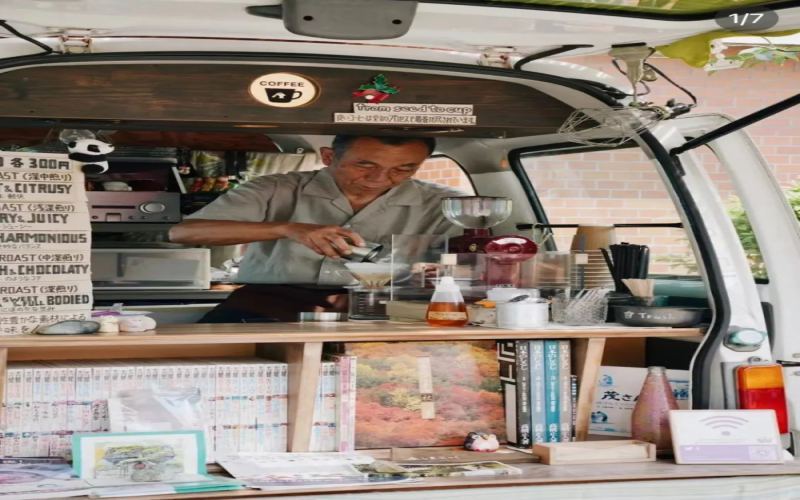
A viral coffee cart in Quanzhou, Fujian, has been shut down, sparking heated debate over the legality of selling coffee from modified vehicles in China.
Recently, a popular coffee truck in Quanzhou, Fujian, was urgently shut down by law enforcement, drawing attention to the legality of operating mobile coffee trucks. As notes related to "mobile coffee trucks" on platforms such as Xiaohongshu exceed ten thousand, this low-cost entrepreneurial approach has attracted many enthusiasts, but issues behind it—such as electrical safety, food hygiene, and illegal occupation of roads—have gradually surfaced. This article centers on this incident to explore whether operating a modified coffee truck is illegal in China, sort out the enforcement basis and industry limitations, and remind entrepreneurs to understand the relevant regulations before diving in, so as to avoid blindly following the trend. [more…]

From a Seed to a Cup of Coffee: A Complete Analysis of the Coffee Bean Life Cycle and Processing Techniques
Have you ever been like Front Street Coffee, filled with curiosity about the story behind the cup of coffee you drink every day? From the seed first planted to the final rich aroma in the cup, a coffee bean must go through multiple stages: cultivation, picking, post-processing, transportation, roasting, grinding, and extraction. The Arabica coffee tree has strict requirements for its growing environment—temperature, rainfall, altitude, and soil are all indispensable. After picking, the coffee cherries must also undergo processing such as sun-drying before they become green beans, and then through roasting they develop their captivating flavors. This article will take you through the complete journey of a coffee bean from the field to the cup, helping you understand how each step affects the final flavor. [more…]

Mobile coffee carts from boom to bust: high investment, tough operations—is it still worth getting into in 2023?
Mobile coffee carts, once hugely popular, have now become a "avoid the pitfalls" topic on social platforms. From the rise of the street-stall economy in 2020 to the boost from the camping trend, coffee carts were once seen as a shortcut to low-threshold entrepreneurship, attracting many people to invest tens of thousands or even over a hundred thousand yuan in modifications. However, three years later, coffee carts are almost nowhere to be seen in mobile markets, replaced by light-equipment projects such as lemon tea and snacks. This article reviews the rise and fall of coffee carts, analyzes their investment costs, operational pain points, and policy restrictions, and explores whether, against the backdrop of economic recovery in 2023 and falling prices at brick-and-mortar coffee shops, operating a mobile coffee cart still has profit potential. [more…]

Ethiopia Deploys 40,000 Troops to Crush Fano Insurgents, Coffee Industry Faces Dual Test of Costs and Exports
The Ethiopian federal government has recently deployed approximately 40,000 additional troops to the Amhara region, launching a new large-scale military operation against Fano armed forces. Intense clashes have erupted in multiple areas, disrupting urban transportation and leaving residents trapped in their homes. The conflict has lasted for over a year, causing heavy casualties and severely impacting local agricultural and livestock production as well as logistics and transportation. As a major coffee-producing country in Africa, Ethiopia is facing multiple challenges, including currency depreciation, rising cultivation costs, and compliance pressure from the EU Deforestation Regulation (EUDR). This article will review the latest developments in the conflict and their potential impact on the coffee supply chain. [more…]
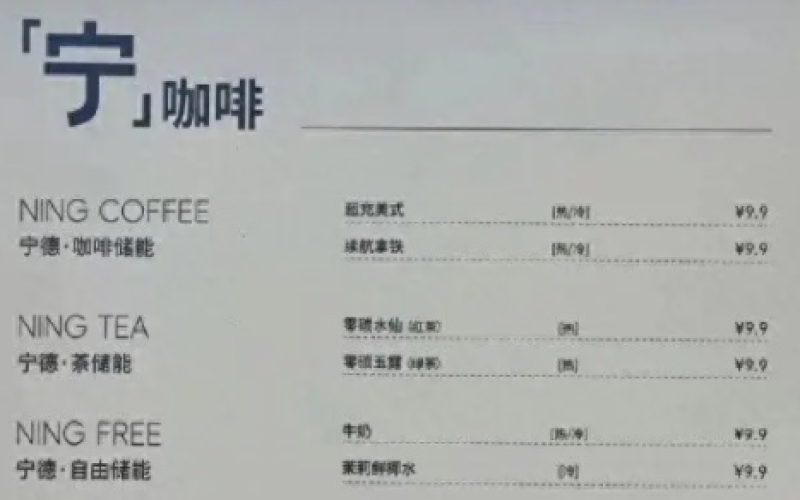
CATL registers "Ning Coffee" trademark, crossover beverage at new energy lifestyle plaza draws attention
CATL has applied to register the "Ning Coffee" trademark, with classifications covering convenience foods and food and beverage accommodation services; it is currently at the substantive examination waiting stage. Previously, its offline showroom had already launched six drinks, including "Range Latte" and "Supercharge Americano," along with "Shenxing" medium-dark roasted coffee beans, sparking outside speculation that it was entering coffee retail. The company responded that the coffee is only a supporting service, not a main business. This cross-industry move is seen as an attempt to build a presence in the consumer market and create a fan economy. Front Street Coffee notes that the collision between new energy and coffee is becoming a new highlight in the industry. [more…]
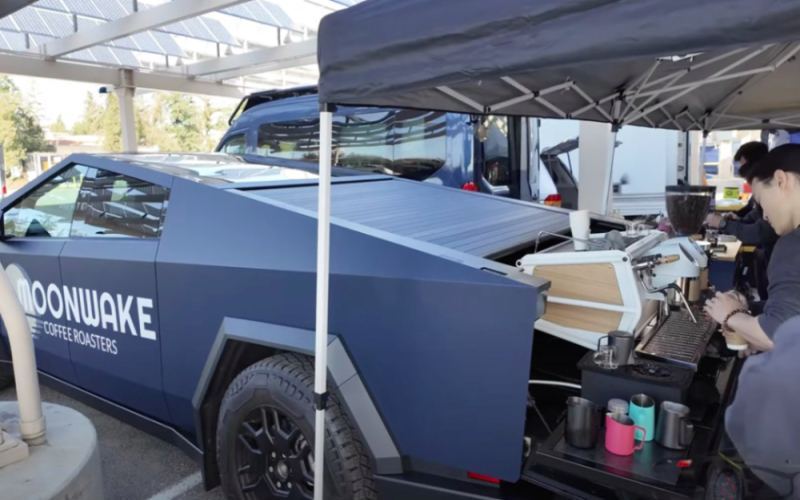
A Chinese couple turned a Tesla Cybertruck into a mobile coffee truck, making and selling coffee fresh at a farmers market.
A futuristic-looking Tesla electric pickup truck, parked in a farmers market, has unexpectedly become a mobile coffee shop. The owners are a Chinese couple: the husband is a former Tesla engineer, and the wife once worked at Meta. They installed an espresso machine in the back seat and use the truck's power to make coffee on-site, running their own coffee roasting brand. From a hobby that helped ease workplace stress, to quitting their jobs to go all in, to using an electric pickup to solve the farmers market's power supply problem, this couple's coffee journey is full of interesting angles—and it makes one wonder whether this trendy new model can go further. [more…]

Brewing pour-over coffee with an electric kettle on a high-speed train sparks heated debate — how much do you know about the safety hazards?
During the Spring Festival return travel peak, a netizen on a high-speed train was approached by the young man sitting next to them, who surprisingly pulled out a full set of coffee equipment and used the tray table to boil water and make pour-over coffee. This romantic and novel experience quickly sparked heated discussion online, and the young man himself also posted a response, leading netizens to jokingly call it a "high-speed rail idol drama." However, beyond the gossip and fun, many users pointed out that the power outlets in high-speed train cars have limited wattage, so using a high-power electric kettle carries a risk of overloading, and the train's power supply is unstable, which may damage equipment, or even cause scalding if hot water is spilled when the person in front adjusts their seat. Coffee is good, but safety matters more. [more…]

Somalia Once Again Expels Ethiopian Diplomats, Red Sea Crisis and Port Deadlock Deal Heavy Blow to Coffee Exports
Diplomatic friction between Ethiopia and Somalia continues to escalate. Somalia recently expelled Ethiopia's second-ranking diplomat in Somalia, and relations between the two countries are becoming increasingly tense over the Somaliland port agreement. Meanwhile, the Red Sea crisis has caused throughput at the Port of Djibouti to decline, severely disrupting the import and export of major commodities such as Ethiopian coffee. Combined with peak-season shipping price increases, the depreciation of the birr, and the delay of the EU's EUDR, Ethiopian coffee bean prices have risen across the board, and the local coffee industry is facing dual pressure from exports and costs. [more…]

Comprehensive Guide to Green Coffee Beans: Quality Assessment, Crop Year Classification, Shipping Methods, and Storage Essentials
Green coffee beans are the starting point that determines the flavor of a cup of coffee. From color and luster to moisture content, every detail reveals the quality code of green beans; the terms "new crop," "current crop," "old crop," and "aged crop," named by harvest year, record how time shapes flavor. During transoceanic shipping, temperature and packaging methods also influence the fate of green beans—low-temperature containers, temperature-controlled storage, and vacuum aluminum foil bags are all effective means of extending good flavor. The ultimate preservation challenge points to a simple yet expensive answer: vacuum packaging followed by freezing. This article systematically organizes the complete knowledge of green beans from identification to storage, and includes practical advice from Front Street Coffee, taking you deeper into understanding this green seed. [more…]
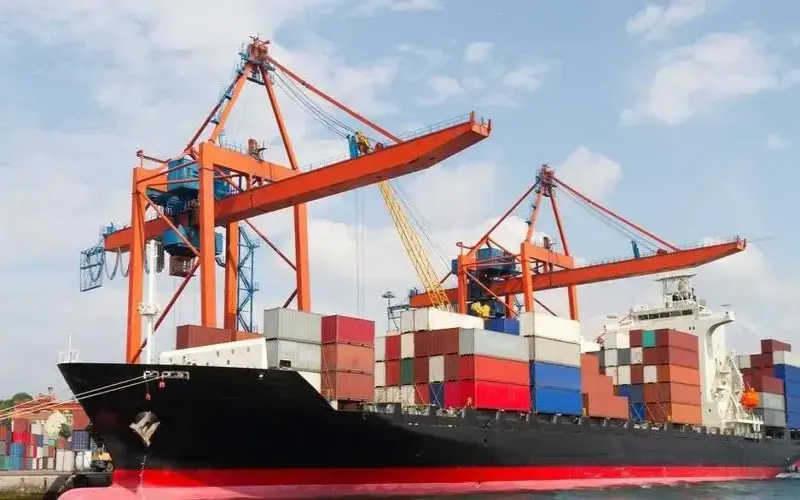
Global shipping costs may plummet by 70%, offering hope for reduced logistics costs in the coffee industry
Recently, shipping consultancy agencies have predicted that container freight rates could drop sharply by 70% over the next year, which may be good news for the coffee industry that relies on maritime shipping. Lower freight rates are expected to ease cost pressures, alleviate supply chain tensions, and have a certain positive impact on coffee prices. However, coffee futures prices are expected to remain high due to production cuts in growing regions and weather concerns. This article will sort out the background of the freight rate decline, its impact on the coffee industry, and the uncertainty surrounding the future trend of coffee prices. [more…]

From Trunk to Two Wheels: The Lightweight Transformation of Mobile Coffee Carts and New Industry Trends
Since the rise of the street-stall economy, mobile coffee trucks have gradually become a unique sight in cities. From initially relying on car trunks to carry espresso equipment, to today's lightweight two-wheeled carts focused on pour-over coffee, the form of mobile coffee trucks is constantly evolving. This transformation has not only lowered the threshold for starting a business, but also allowed coffee trucks to appear more flexibly on roadsides, halfway up mountains, and even in the snow, making them a sought-after photo spot for young people. At the same time, well-known brands such as Starbucks and Manner have also joined this trend. However, the business license and food safety issues faced by mobile coffee trucks remain a focus of consumer attention. This article will take you through the transformation of mobile coffee trucks from heavy to lightweight and the industry logic behind it. [more…]

Is Micro-Lot Coffee Always Higher Quality? Decoding the Unique Flavors of Costa Rica's Musician Series Mozart
Micro-lot coffee is often labeled as high quality, but is it necessarily superior to regular lots? This article examines the true positioning of micro-lot coffee from the perspectives of transportation costs, estate production logic, experimental processing, auction selections, and private customization. At the same time, using the Costa Rica Musician Series Mozart as an example, it introduces the flavor performance of this raisin honey-processed micro-lot from Front Street Coffee's bean list, and analyzes the differences between air-freighted lots and sea-freighted lots, helping coffee enthusiasts view the concept of micro-lots rationally. [more…]
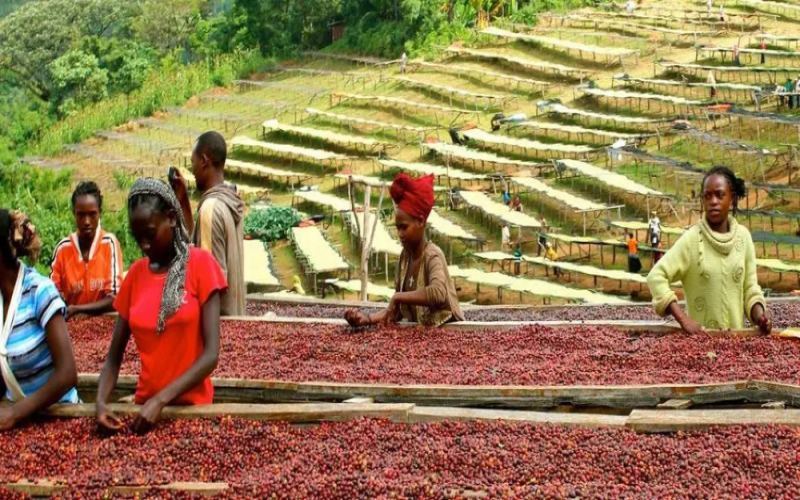
Ethiopian Coffee Exports Face Shipping Delays, Government Plans to Open Rail Freight to Private Capital
Ethiopia's domestic security situation remains tense, with truck drivers frequently attacked, severely disrupting overland transport of major exports such as coffee. As coffee exports account for 30% to 35% of the country's export earnings, transport problems could exacerbate inflation and economic recession. The government is considering shifting to rail transport and plans to allow the private sector to participate in rail freight to reduce logistics costs. However, the existing railway faces challenges including speeds of only 30 kilometers per hour and capacity that is far from fully utilized. This article will outline the background of the situation, its impact, and possible future solutions, along with related product recommendations from Front Street Coffee. [more…]
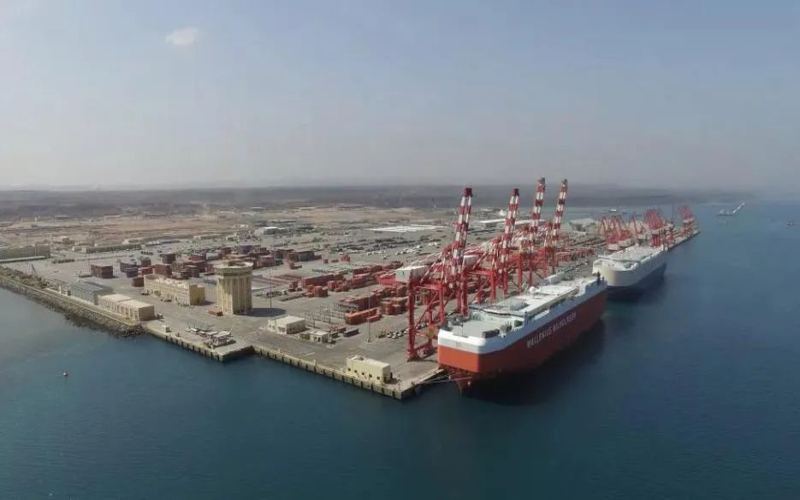
Ethiopia Joins Forces with Djibouti to Strengthen Logistics Corridor, Red Sea Tensions May Affect Coffee Export Costs
As a landlocked country, Ethiopia's foreign trade is highly dependent on the Port of Djibouti. Recently, logistics industry organizations from both countries met in Addis Ababa to discuss deepening cooperation, with plans to sign a memorandum of understanding to establish a formal communication mechanism. However, the security situation in the Red Sea region continues to deteriorate, with Houthi armed forces frequently attacking merchant ships. Several shipping companies have announced freight rate increases for November, putting cost pressure on the coffee industry, which relies on maritime transport. The volume and logistics costs of Ethiopia's coffee exports may be affected in the short term, while the conflict in the north of the country is driving up prices and increasing production expenses. This article will review the progress of logistics cooperation, the dynamics of the Red Sea situation, and their potential impact on the coffee trade. [more…]
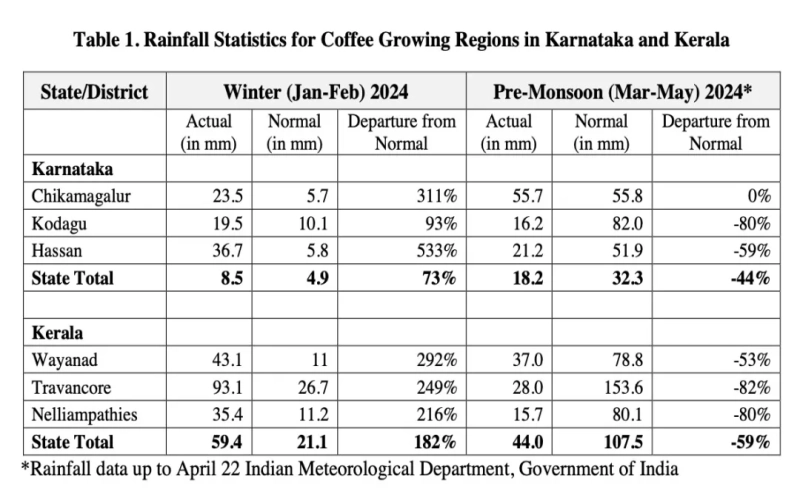
India's New Crop Coffee Production Estimated to Stabilize, Water Shortages and Red Sea Shipping Crisis Will Still Weigh on Exports
The latest India coffee annual report released by the United States Department of Agriculture shows that India's total coffee production for the 2024/25 marketing year is forecast at about 6 million bags, including about 1.4 million bags of Arabica and about 4.6 million bags of Robusta, remaining broadly stable overall. However, the outlook for the crop season is not optimistic: after heavy rains from January to February, many regions saw insufficient rainfall from March to May, and combined with groundwater overexploitation and climate change, India is facing a severe water shortage crisis, with fruit set rates in major producing areas falling sharply. At the same time, continued tensions in the Red Sea have pushed up freight rates on Asia-Europe routes, and with international coffee prices at a decade high, India's coffee exports face triple pressure from weather, shipping and prices. This article will combine the latest data to sort out India's coffee supply and demand structure and the risks ahead. [more…]

Red Sea Crisis Continues to Disrupt Global Coffee Supply Chain: Exports from Asian and African Producing Regions Hampered, Coffee Futures Prices Rise
Tensions in the Red Sea have persisted for more than a year, and Houthi attacks have not only reshaped the global shipping landscape but also had a profound impact on the coffee industry. Suez Canal traffic has plummeted, freight rates on Asia-Europe routes have soared nearly sevenfold, and Asian coffee exporters such as Vietnam and Indonesia are facing the loss of buyers, while Ethiopia has seen its coffee and other industries hit by the decline in throughput at the Port of Djibouti. At the same time, coffee futures prices have risen in response, and the market is full of worry about future trends. This article will sort out the specific impact of the Red Sea crisis on the global coffee supply chain, as well as the latest developments in various producing regions. [more…]
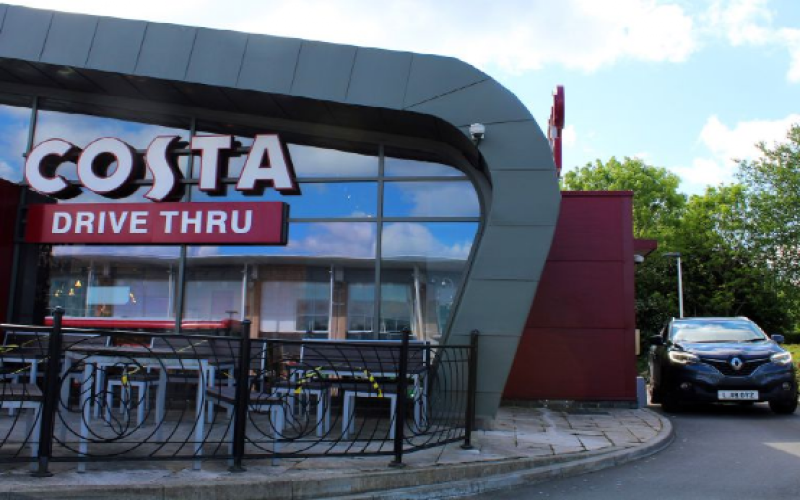
Costa Drive-Thru Refusing Cyclists Sparks Controversy: Reasonable Policy or Discrimination?
In recent years, the grab-and-go consumption model has become increasingly popular, and many food and beverage brands have opened "drive-thru" lanes for this purpose. However, a cycling enthusiast was refused service at a Costa store in Scotland, on the grounds of "not being in a motor vehicle." This is not the first time Costa has sparked controversy over a similar incident. An almost identical situation occurred in 2020, when Costa explained that bicycles are not taxed or insured in the same way as motor vehicles, and was immediately rebutted by the British Cycling Federation. Behind the incident lies the delicate balance between convenience and fairness in drive-thru service. Front Street Coffee takes you through this hotly debated incident. [more…]
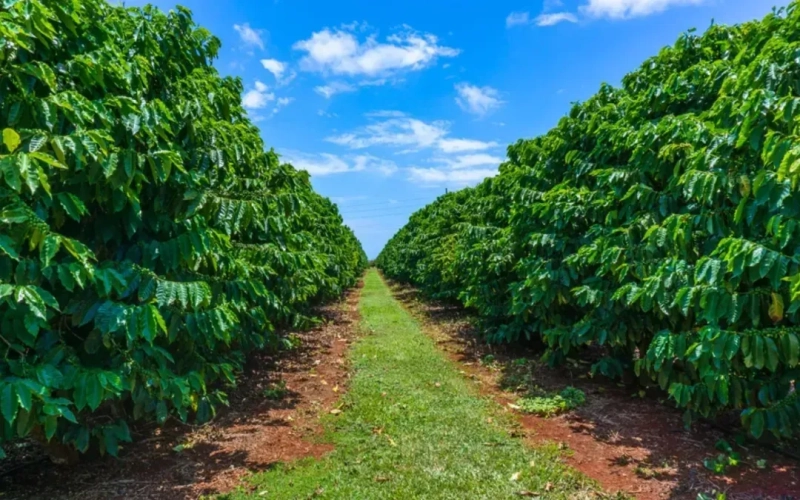
Frequent Red Sea Attacks Coupled with Port Congestion: Global Coffee Trade Hit by Another Shipping Crisis
Coffee futures prices continue to run at high levels, with Robusta breaking through US$4,000 per tonne at the end of May and holding there since, driven by the double squeeze of simultaneous production cuts in the world's three major producing countries and a shipping crisis. Vietnam's exports fell 10.5% in the first half of the year, Brazil's harvest season underperformed expectations, and congestion at multiple Asian ports, a shortage of empty containers, and frequent Red Sea attacks have made coffee trade even worse. Freight rates from Asia to Europe soared from US$1,200 to nearly US$7,000, and Maersk warned that Red Sea disruptions will persist into the third quarter. This article will sort out how production, logistics, and geopolitical risks are jointly pushing up coffee costs, and follow Front Street Coffee's continued tracking of industry developments. [more…]